
Nationally recognized developer and author of “Building Small,” Jim Heid, was in Savannah recently for a lunch and learn on small-scale development. For those of you who missed the conversation, here’s a summary.
For decades, the real estate industry has focused on large-scale, master-planned development, bolstered by institutional capital and corporate culture. This type of development is relatively easier to do and scale, and it attracts national credit tenants. We see it everywhere, and it looks pretty much the same whether you are in Atlanta, Kansas City, or San Jose.
Nothing wrong with that per se, however, in this era of mega projects and consolidation, small-scale developments are needed as a balance more than ever. Across the country, small-scale projects have shown time and time again that incremental, context-sensitive developments create better outcomes around livability, sustainability, local wealth building, economic resilience, and the preservation of community character and community identity.
Small scale development projects are typically:
Designed to fit within the existing grain and character of a neighborhood
Implemented by a wider and more diverse array of developers and property owners
Completed over a shorter time frame with reduced capital requirements (not always!)
More responsive to local needs, preferences, and market signals
Common examples include:
Missing Middle Housing
Neighborhood Services, Retail, Local Businesses
Adaptive Re-Use of Existing Structures
Infill Development on Underutilized Lots
Community Led Placemaking Initiatives
HERE is an inspired project in South Philadelphia to give you an idea of what this can look like
At Level CRE, we are big fans of this type of community-friendly growth and encourage more developers to engage in it. Of course, there are challenges. Permitting processes and financial products tend to be calibrated for single family homes or large-scale developments and often impose disproportionate burdens on small builders. Still, there are plenty of examples around the city, including a few recent ones…
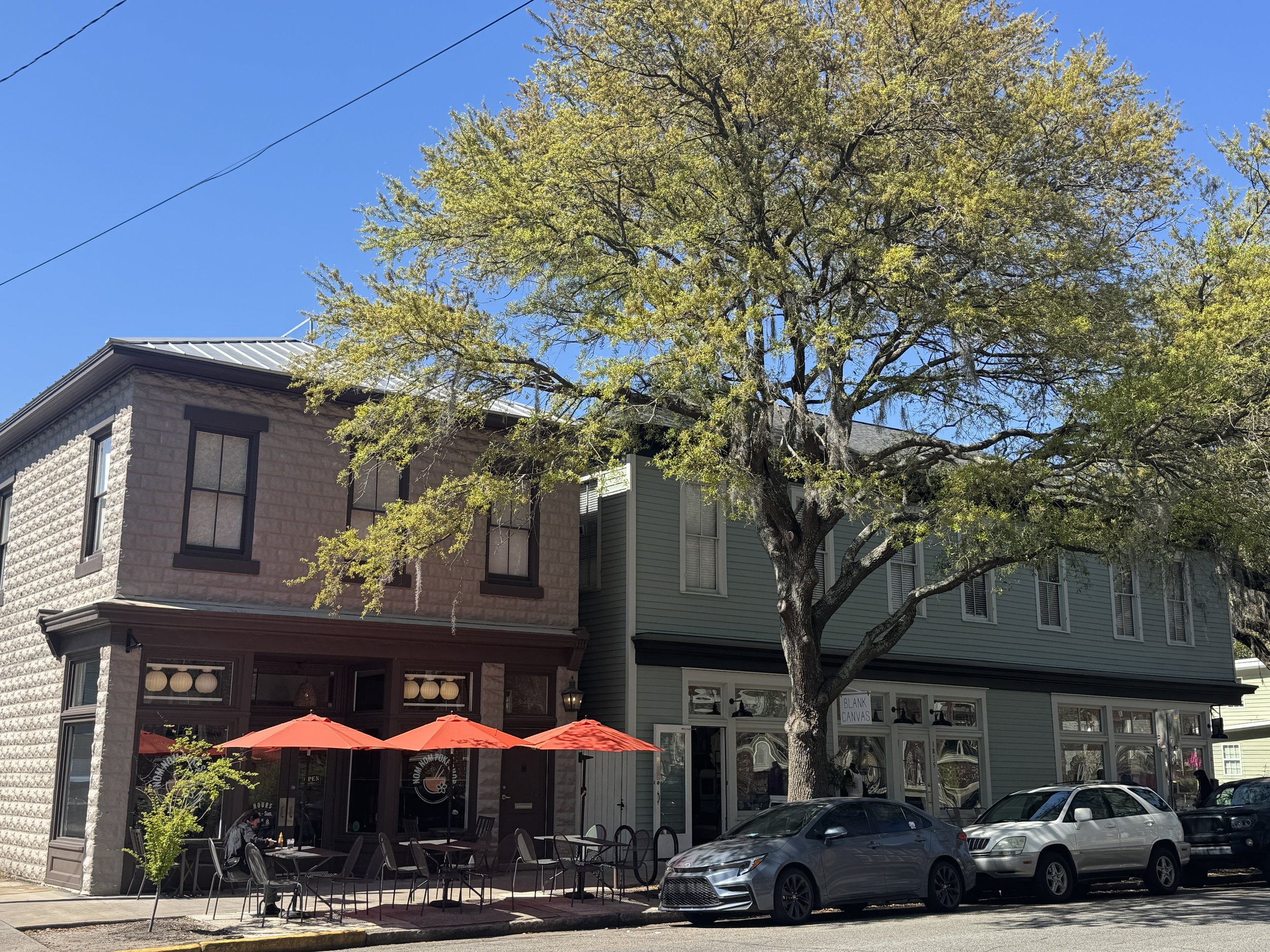
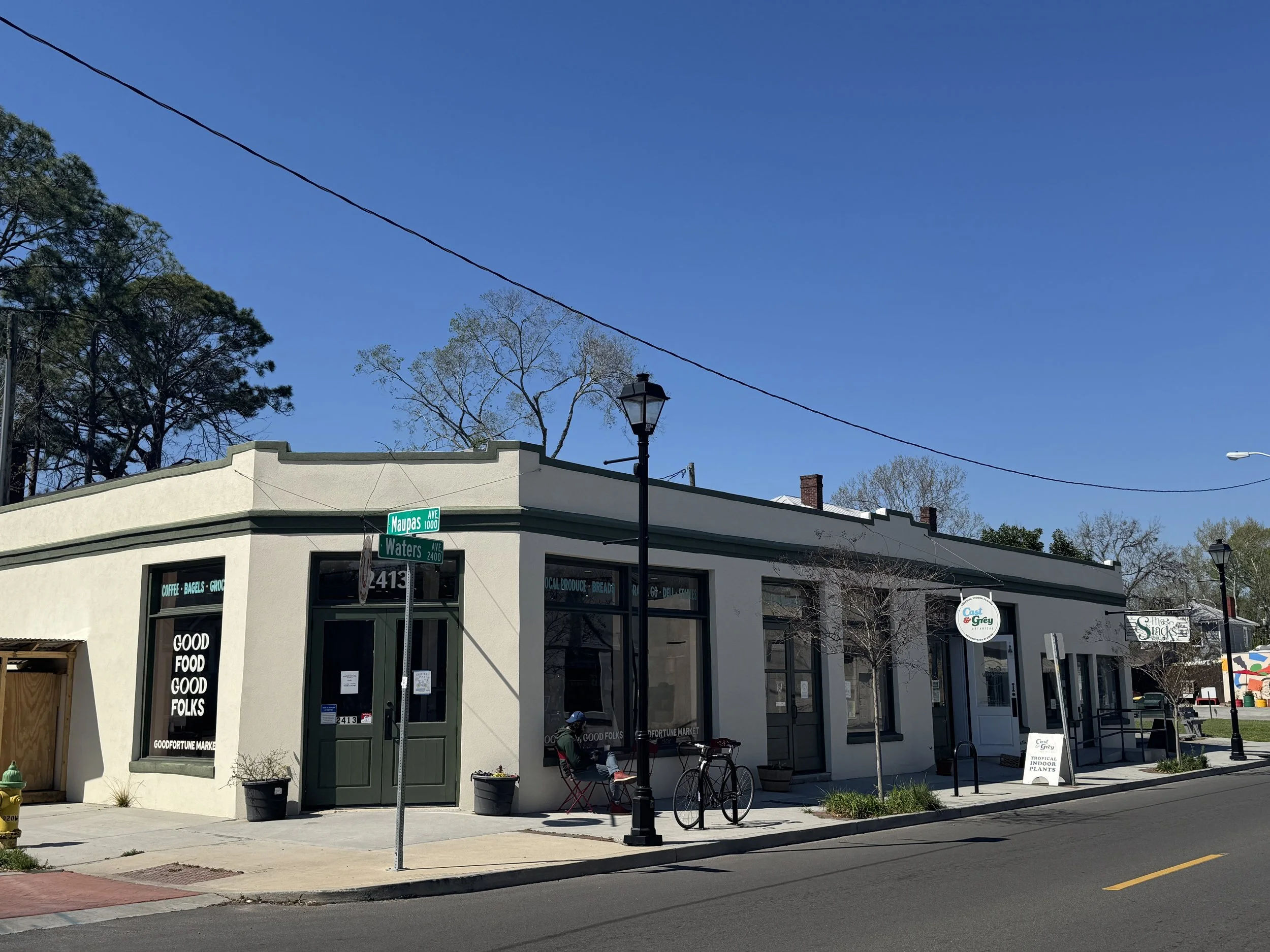
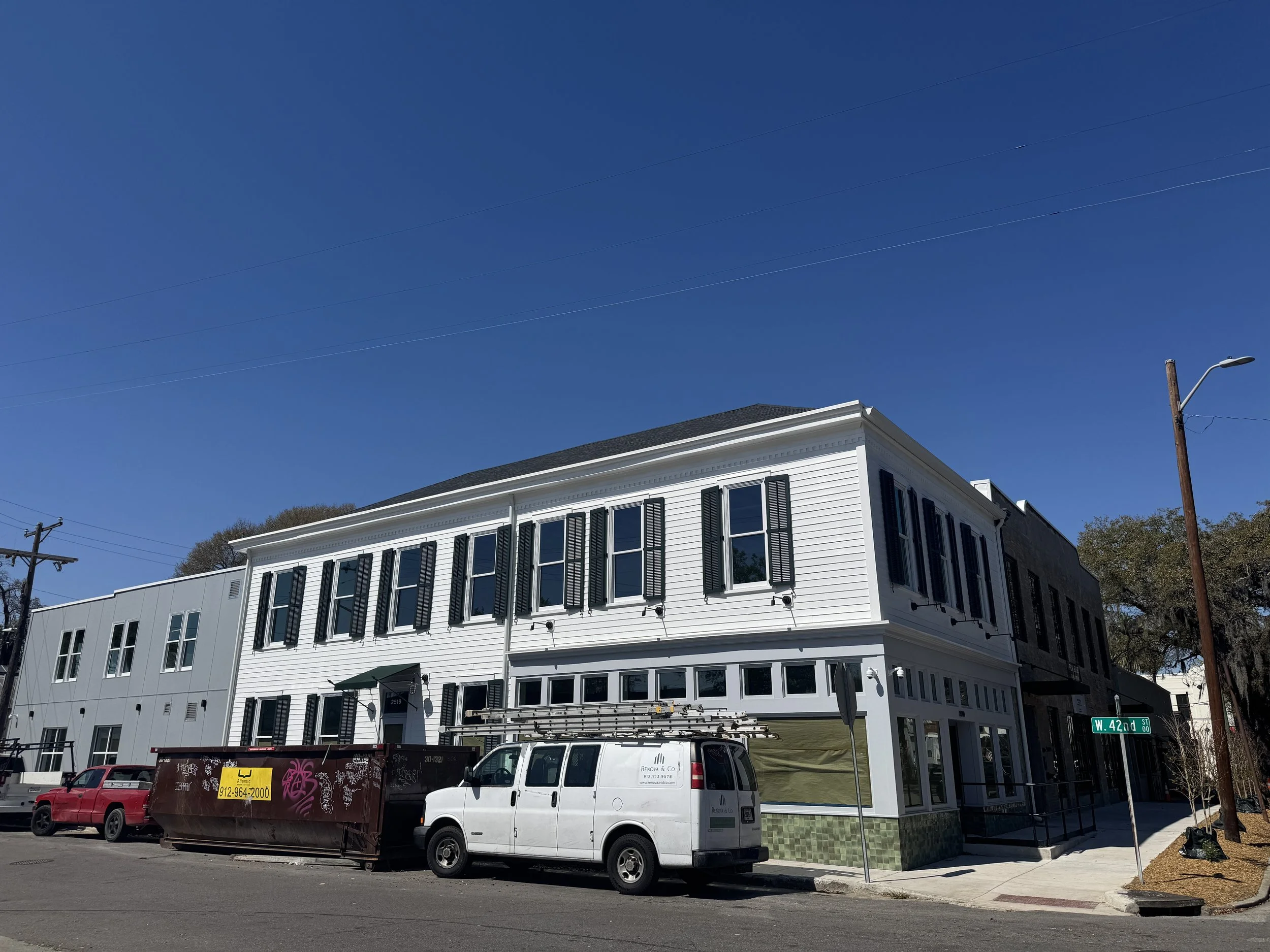
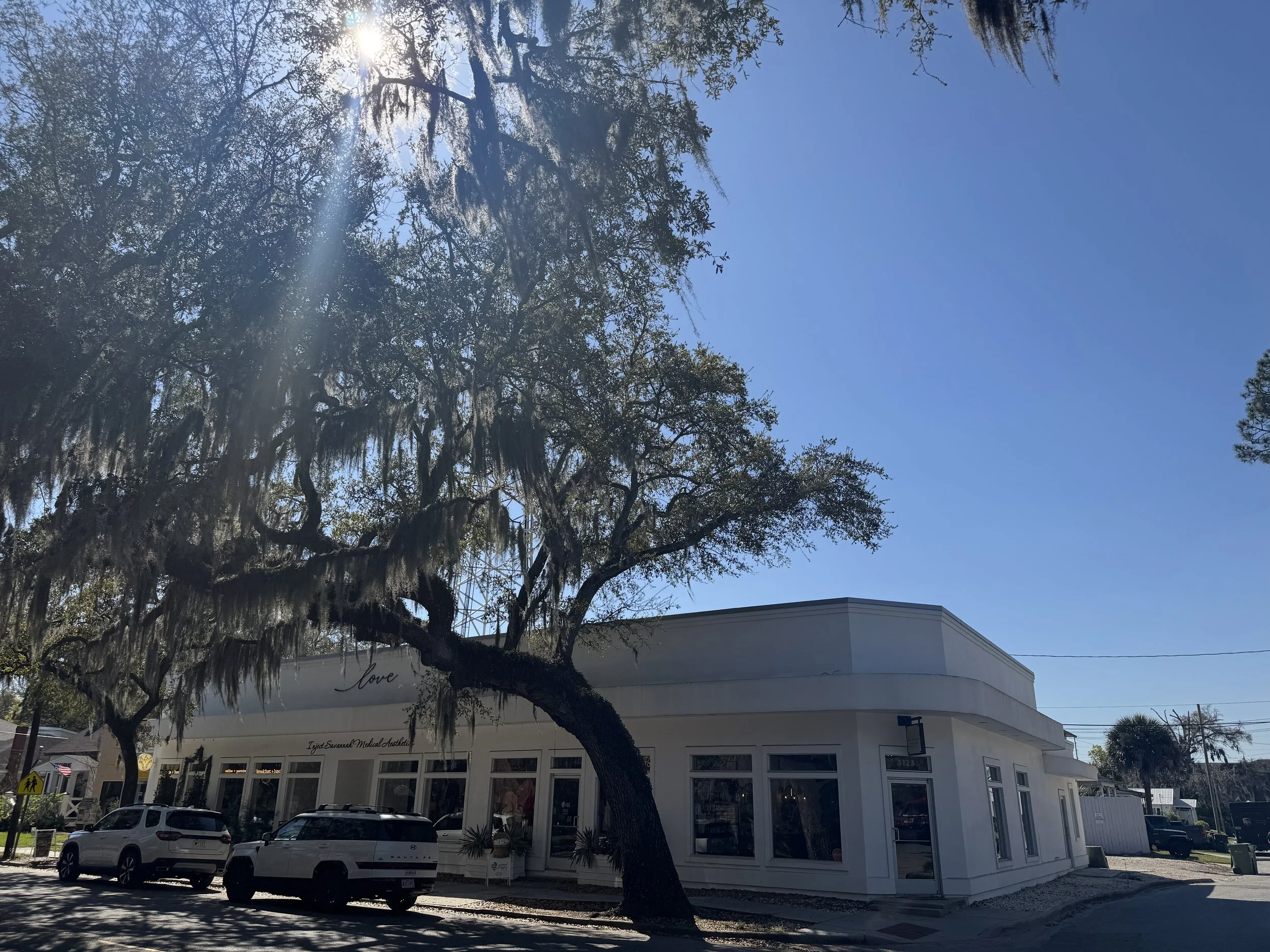
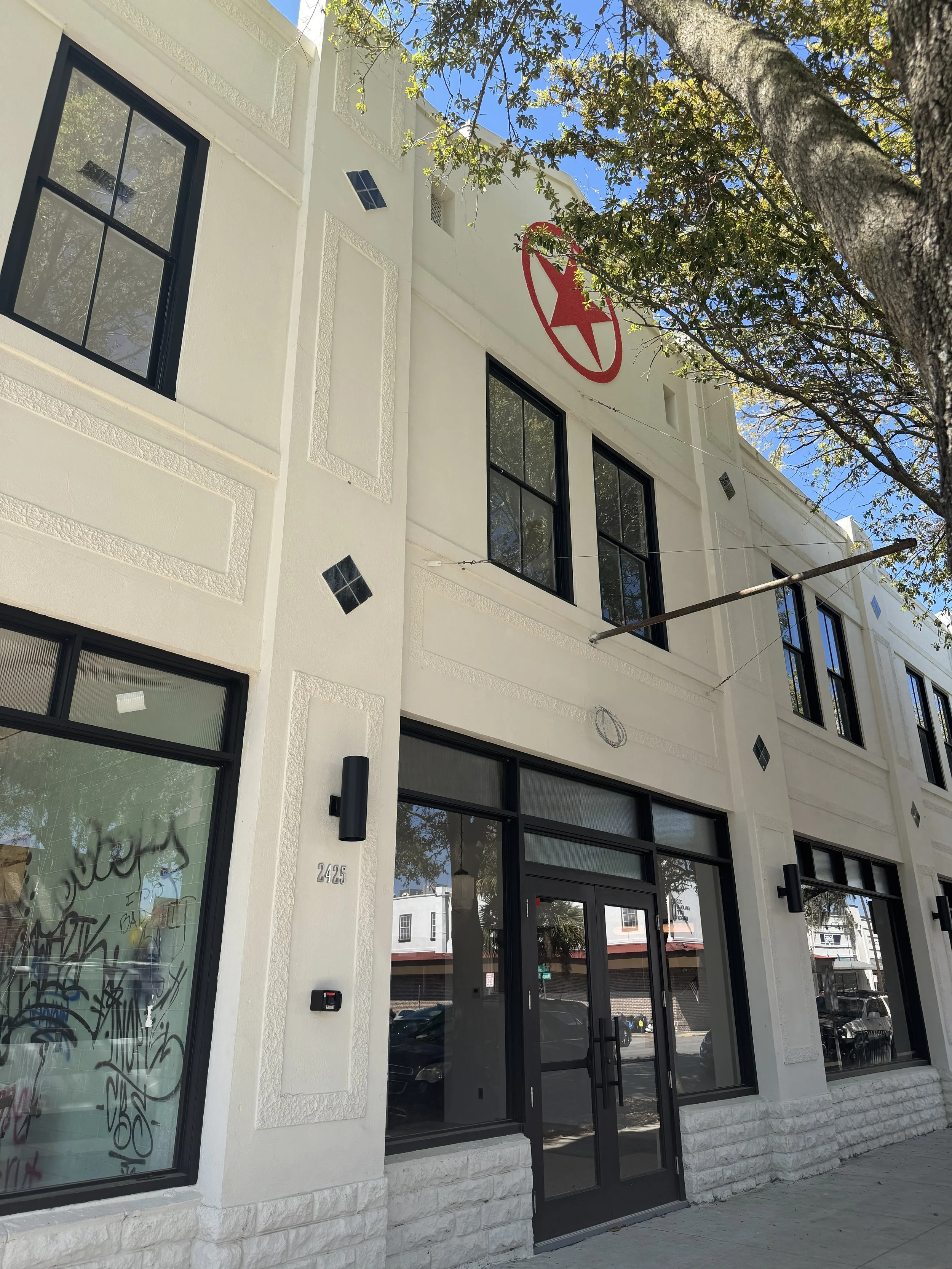
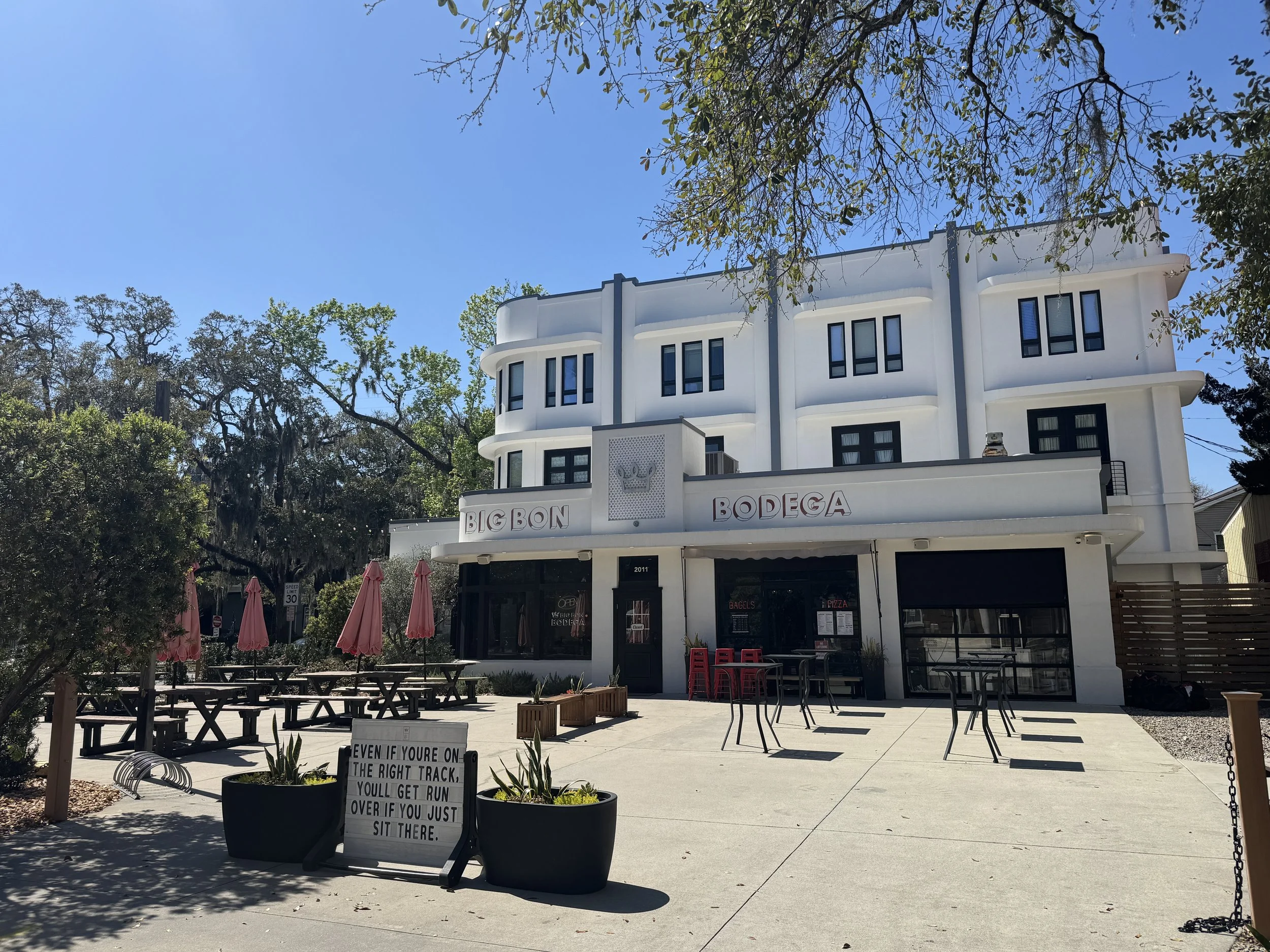
Five of these are within a one mile stretch along the Bull Street corridor, and one is on Waters Ave. In each case, properties were preserved and significantly improved. Three of the projects added leasable/usable square footage in the forms of upper level apartments, offices, and hospitality, and the other three made better use of the existing square footage. These six properties held seven street retail businesses total, and now (or coming soon) there are twenty! All, but one were completed by local developers, and the out-of- town developer used a local GC and is using a local broker to lease their spaces. Two of the projects were helmed by women, and at least twelve of the street retail businesses are owned and operated by women.
There are many more examples around Savannah, and several excellent small-scale development candidate properties on- and off-market currently. We hope to see the trend continue and welcome policy changes that remove unnecessary barriers, streamline permitting pathways, and facilitate this type of economically productive, neighborhood responsive development.